

Eco Roofing
Roofing that can last a lifetime, without lasting in a landfill. Heartless Brothers offers eco-friendly roofing that’s built to stand the test of time while being kind to the environment. We use energy-efficient options that not only protect your home but also reduce your carbon footprint. Our eco-friendly roofs are designed with durability in mind, so you won’t have to worry about replacing them anytime soon. Choose a roof that’s good for your home and good for the planet.
Vegetative Roofing
Our expertise in eco-friendly roofing includes a full range of design components that enhance a roof’s environmental integrity. These include Vegetative Roofs, which allow a customer the opportunity to manage storm water run-off while enjoying the other benefits of aesthetics and cleaner air. Vegetative roofs are characterized by their style first and then by installation method. Roof styles include Extensive or Intensive and they can be installed in Container Systems or by Traditional Overburden.
The Styles:
- Extensive: The low maintenance option, Extensive Vegetated Roofs are lightweight veneer systems of thin layers of drought tolerant, self-seeding vegetated roof covers using colorful sedums, grasses, mosses and meadow flowers requiring little or no irrigation or fertilization after establishment. Extensive Roofs usually have soil depths of 6” or less and lack any ornamental trees or shrubbery.
- Intensive: The Intensive Vegetated Roof makes a more elaborate environmental statement. This style delivers roof landscapes, such as roof gardens and above/underground parking garage roofs, which are intended for human interaction. Intensive Roofs usually have soil depths well in excess of 6” and typically include ornamental trees, shrubbery, patios and benches as well as other hardscape items.
Installation Methods:
- Container Systems: Designed for extensive styles, Container Systems are installed independently of the roof system. Containers are typically 2’ x 2’ units that have integrated drainage channels. The containers are designed to allow them to be filled with the growing media and vegetation.
- Traditional Overburden: Traditional Overburden Systems are installed in direct conjunction with the waterproofing/roofing membrane. Instead of containers, the soil is installed directly on top of the existing waterproofing/roofing membrane. Generally, these systems are installed for intensive styles.
Solar/Photovoltaics
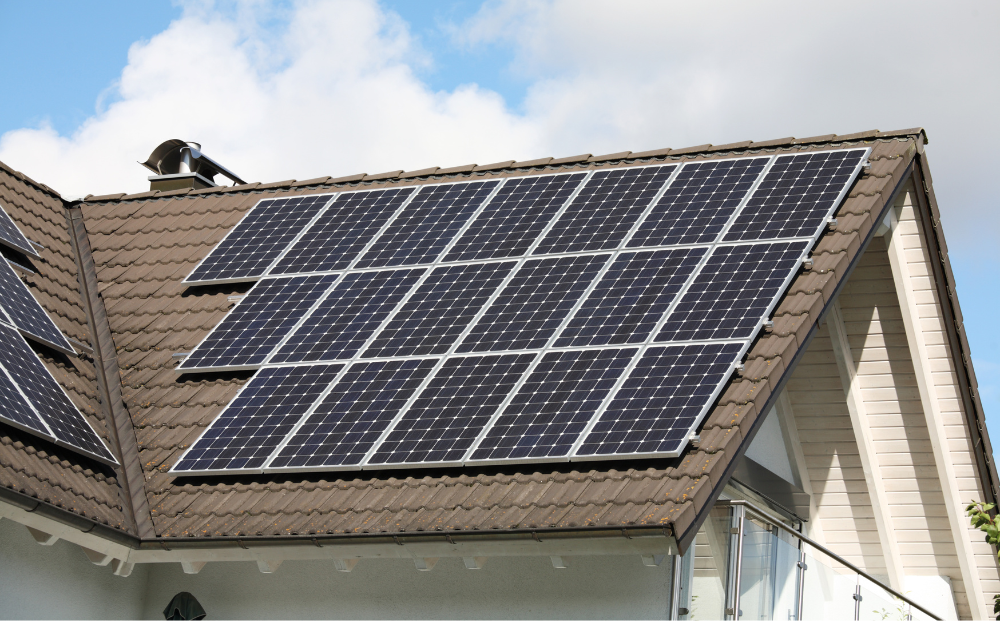
Through Solar/Photovoltaics (PV) Assemblies your roof can literally reenergize your home or business. These assemblies allow you to convert solar energy into useable energy. This recycled energy can power equipment, run appliances or heat water in a pollution free manner. Solar panels are generally installed in two (2) styles – Chrystaline or Thin Film.
The Styles:
- Chrystaline: The most commonly used, Chrystaline panels can be comprised of a wide variety of chrystalines, but all are made into solar cells and fitted into a rigid frame for mounting on your roof system.
- Thin Film: Thin Film PV’s offer the same function as Chrystaline; however, they are actually layers of glass film and thin solar cells. These thin films are not placed in frames, rather they are laminated to an adhesive for installation. The flexibility and size make them ideal candidates for installation on metal roofs.
Recycled Roofing
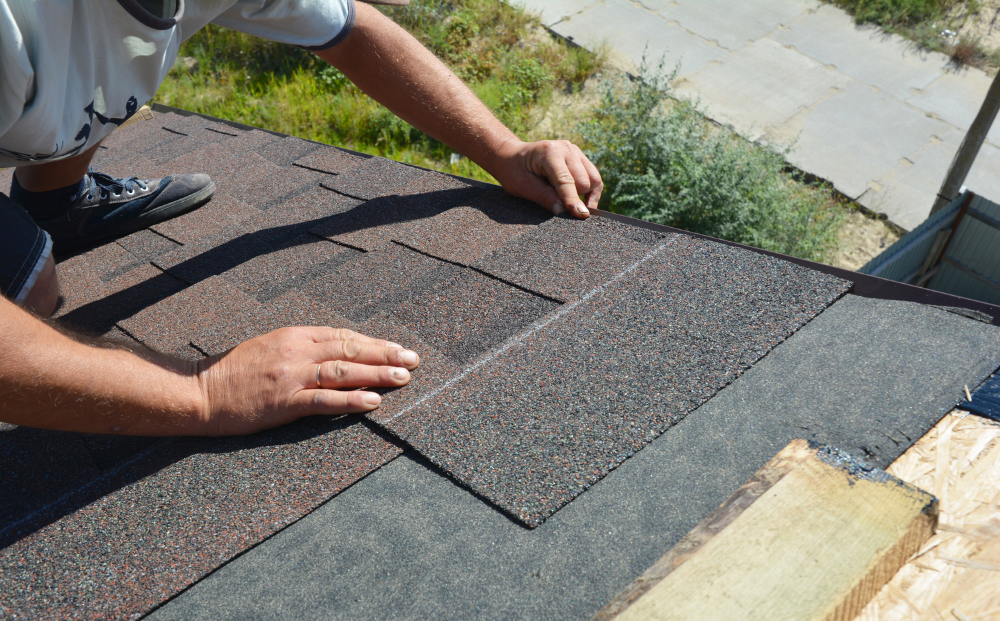
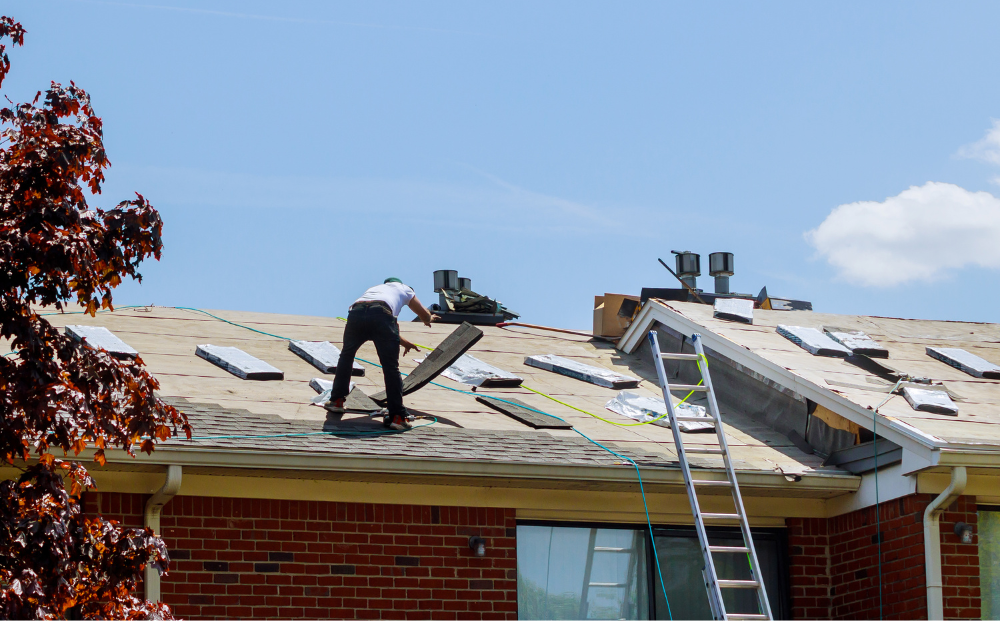
Recycled Roofing allows you to select a roof system that can be either recycled after installation, contains recycled materials in the installed product or both. The use of recycled materials not only reduces the amount of waste entering our environment it also provides you a quality roof that you can rely on for years to come; a roof that protects and preserves.
The Styles:
- Recycled Content: Roofs with recycled content may contain material with pre-consumer and or post-consumer content.
- Recyclable/End of Service Life Disposal: Roofing materials that can be recycled include: Steel, Copper, Cedar Shakes, Slate, EPDM, TPO and some Foam Insulations.
Water Management
Managing water flow can make a significant impact on enhancing a structure’s surrounding environment and protecting your property. As a building or home owner, it’s important to realize the system options available to you that can aid your roof in more effectively managing water run-off.
Water Management Systems:
- Cistern: Stormwater runoff cisterns are roof water management devices that provide retention storage volume in above or underground storage tanks. They are typically used for water supply. On-lot storage with later reuse of stormwater also provides an opportunity for water conservation and the possibility of reducing water utility costs.
- Vegetative: The system provides exceptional stormwater retention and absorption. The vegetation captures and holds the rainwater, which is water released slowly through evapotranspiration by the plants.
- Ballast: Prevent damage and better control water distribution through Ballasted Roof Assemblies that significantly reduce the speed at which water can flow off the roof and enter the storm drains.
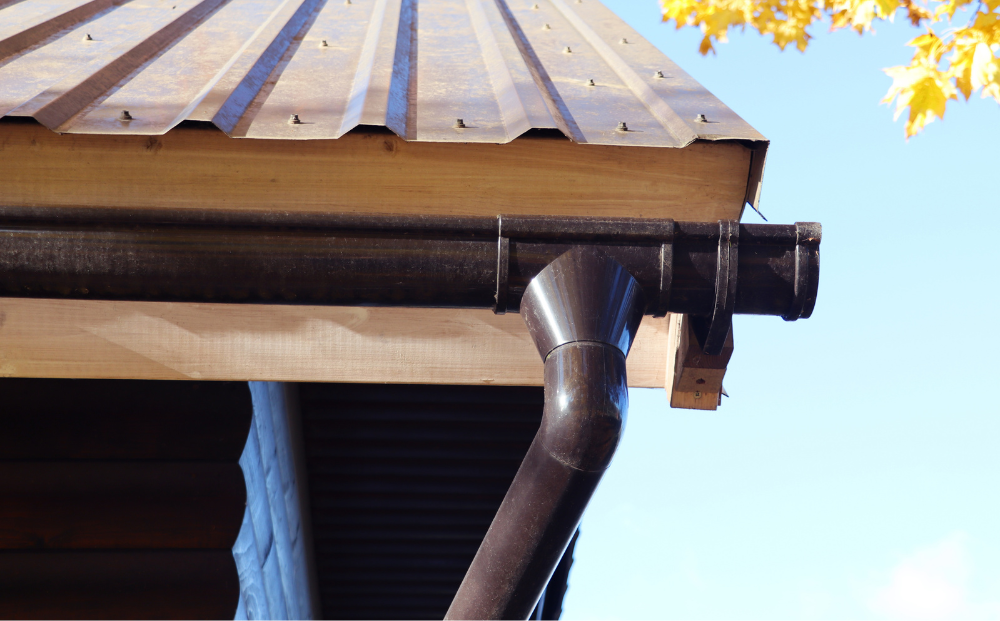
- Guttering: Gutters manage where the water collected from your roof flows to. Properly installed, they direct water to areas that can handle the discharge without damaging your property or the property of others.
Insulation Values
Insulation Values are just as critical to your roofs performance as your comfort. Choosing the correct insulation material and R-Value reduces your energy consumption for heating and cooling. Insulation is one of the most effective ways to improve the efficiency of a home or building.
Photos of Eco Roofing
Achieve More
For over 90 years, Hertless Brothers has built a reputation in the roofing industry for providing its clients a higher quality of roofing service and solutions. Today, that history is honored with a continued focus on quality and excellence combined with even greater service capabilities and industry expertise. Whether commercial, residential, historical or eco, every roofing project at Hertless Brothers begins with our team doing a comprehensive evaluation of both project needs and client goals. This effort allows us to deliver roofing solutions that achieve more. Creating results that exceed expectations, both today and tomorrow.