
Roofing Systems
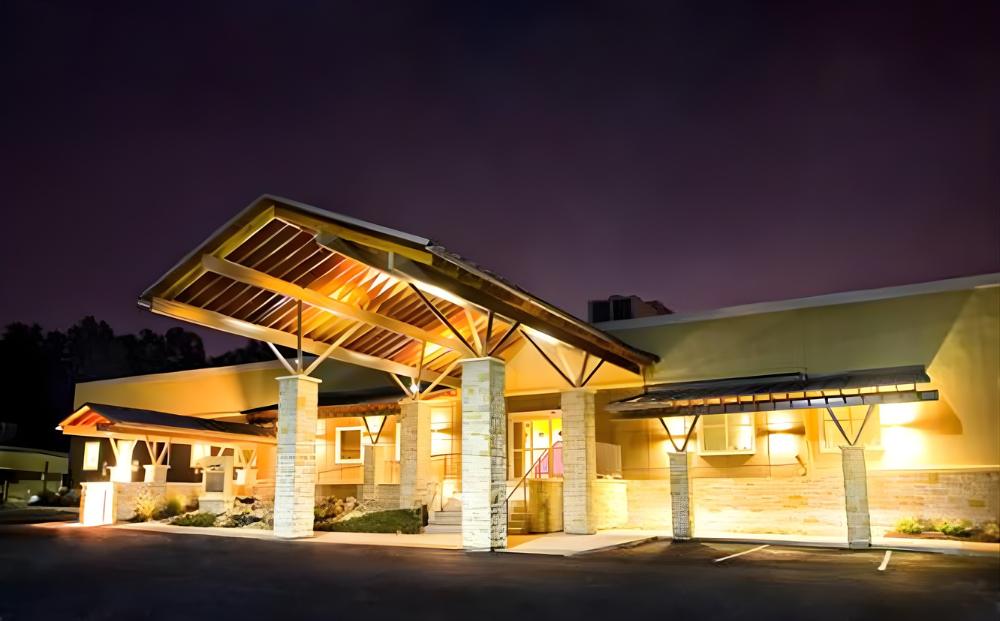
We, at Hertless Brothers, want to make sure our clients are educated on our Roofing systems. We use two main roof styles—low slope and steep slope roofing—and we explain how each one can highlight the unique features of their home. Low slope roofs are perfect for modern homes or commercial spaces, providing a sleek, clean look while being easier to maintain. Steep slope roofs, on the other hand, give a more traditional appearance and offer great protection against heavy rain or snow.
Low Slope
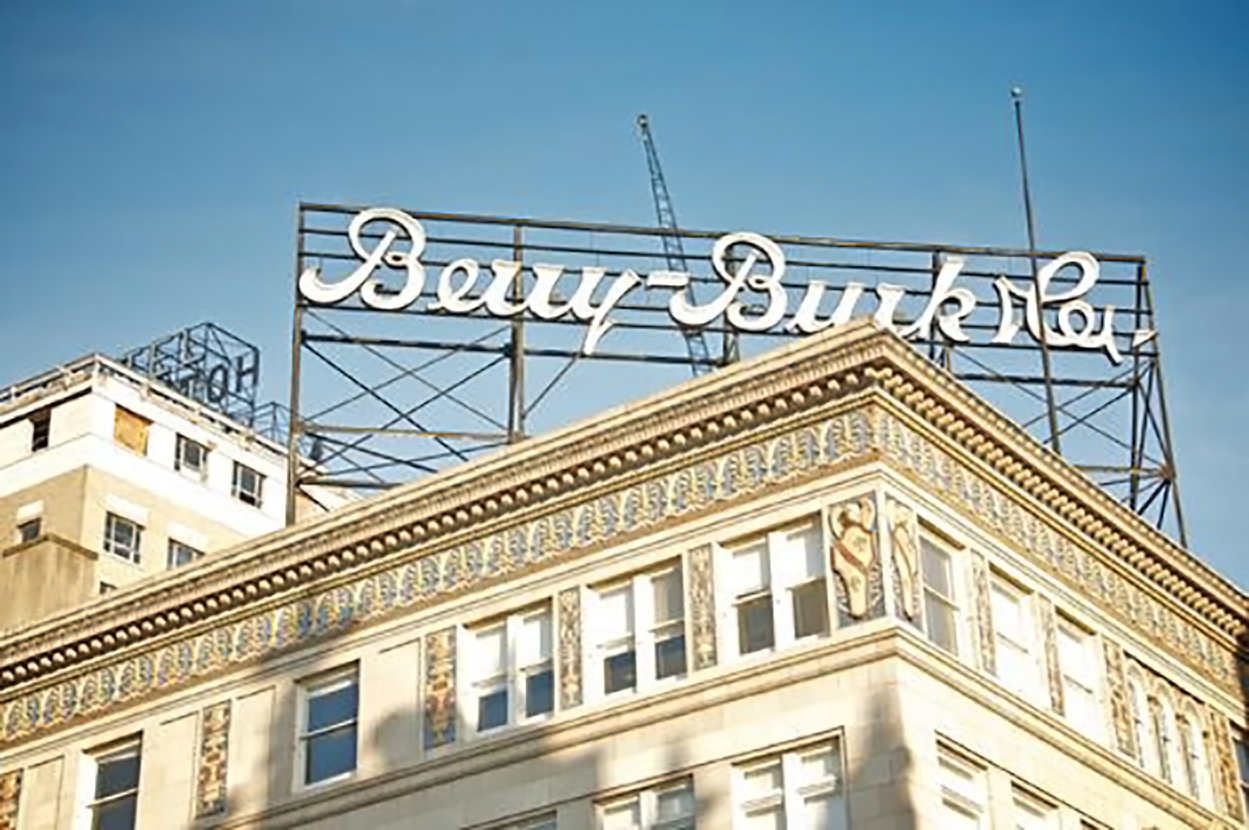
We believe informed customers make better decisions, which is why we take the time to educate them on the options available. We want to make sure our clients are well educated, that’s why it’s important to know. Generally, roof systems are separated into two (2) categories, Low Slope and Steep Slope. Low Slope systems are exactly as they sound; systems installed on a low slope (slope of 3/12 or less). Frequently, these are called flat roofs. Flat roofs have properties that are drastically different than those of Steep Slope Systems and because of this require special attention to detail when selecting the roof system material.
Roof System Materials:
Single Ply’s: EPDM (Ethylene Propylene Diene Monomer): EPDM is a synthetic rubber, single ply membrane. It has been commercially available and installed for over forty (40) years. Benefits include low installed weight, durability, long in-service life, reparability and ability to be installed on a wide variety of structures.
Thermoplastic Polyolefin (TPO): TPO is another flexible single ply membrane. It differs from EPDM in that it is typically white in color and its seams are “heat welded” together. TPO roofing is relatively new in the marketplace. Benefits include low installed weight, lower cost installation and heat reflectivety.
Poly Vinyl Chloride (PVC): Single ply PVC membrane is similar in appearance to TPO. The principle difference is its chemical formulation and its longer presence in the marketplace. PVC requires a slightly larger investment than TPO, it maintains all the other benefits.
Ketone Ethylene Ester (KEE): KEE single ply membranes are drastically different in chemical composition than either TPO or PVC. It has a similar appearance to both TPO and PVC. Benefits include high chemical resistance, low installed weight, durability and long in-service life.
Built-Up Roofing/Modified Bitumen:
Built-Up Roofing (BUR): Built-Up Roofing is generally characterized as the successive installation of layers (plies) of roofing material. BUR Systems can and were installed with either Coal Tar Pitch or Hot Asphalt. While Coal Tar Pitch roofs were installed up until the early part of the decade, they were found to be a known carcinogen and its production has now all but ceased. The more current and common installation of these systems is hot asphalt. While BUR roofs are generally more expensive to install, they have a long in-service life and are very durable.
Modified Bitumen: Modified Bitumen roof systems are similar to BUR’s in the redundant application of plies. The difference is the plies are generally fewer and thicker. Modified Bitumen Roofs may be installed in a Cold Process Adhesive, Torched Down or with Hot Asphalt. The top ply sheet may be left smooth or may have a granular weathering surface. Less expensive than BUR Roofs, Modified Bitumen Roofs maintain the same durability.
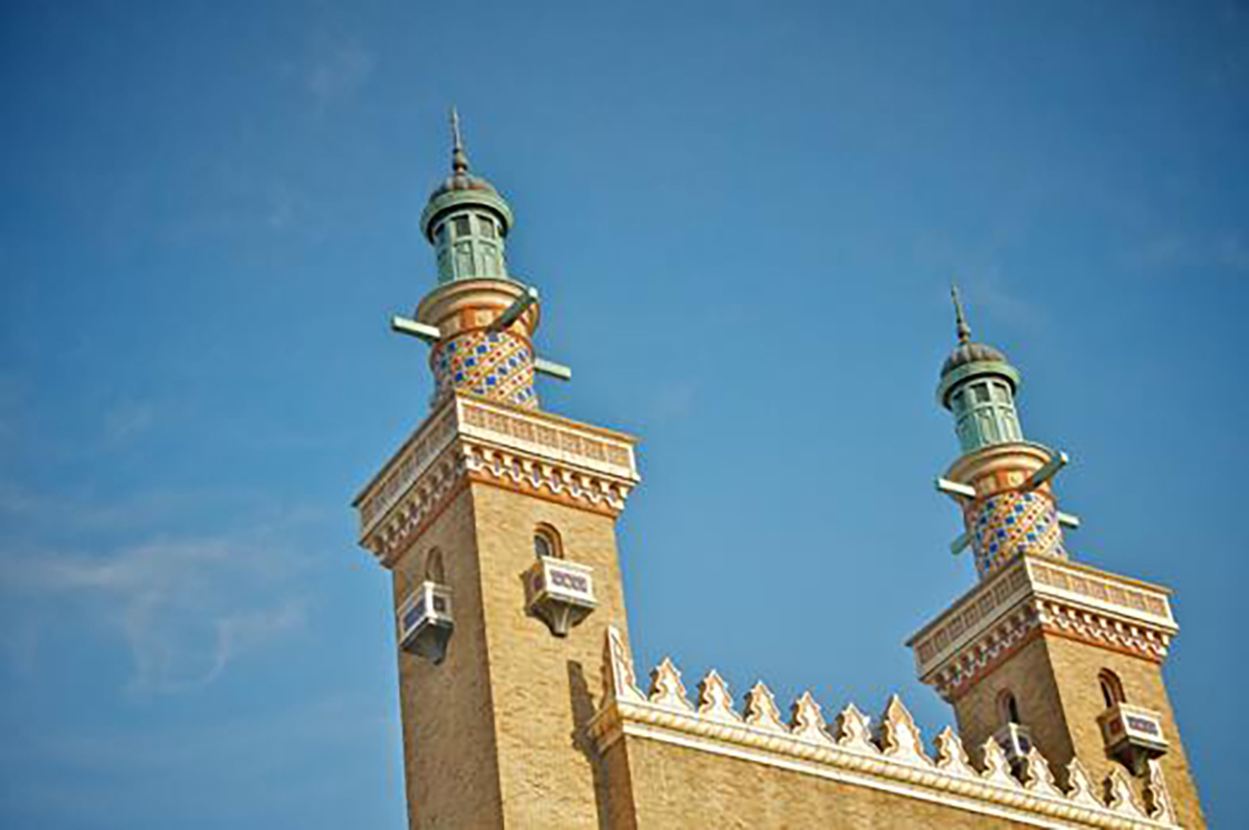
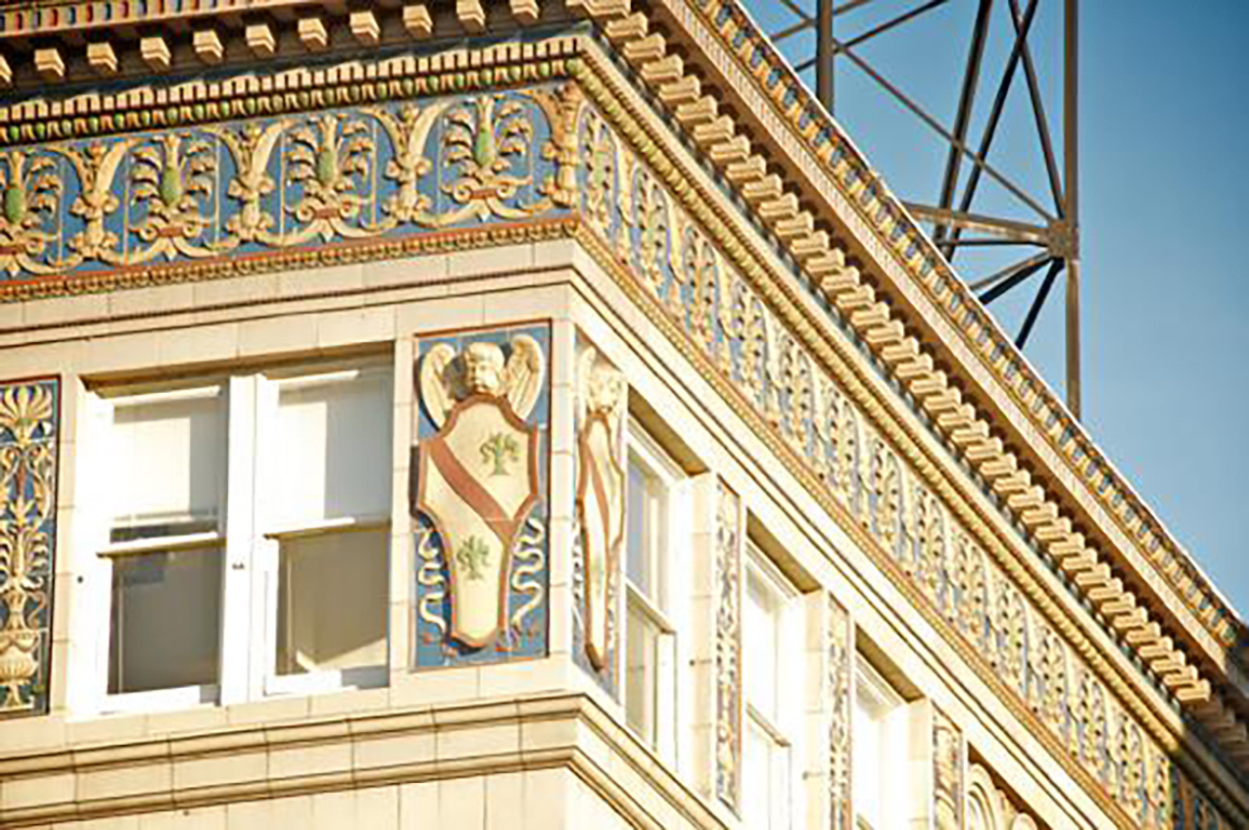
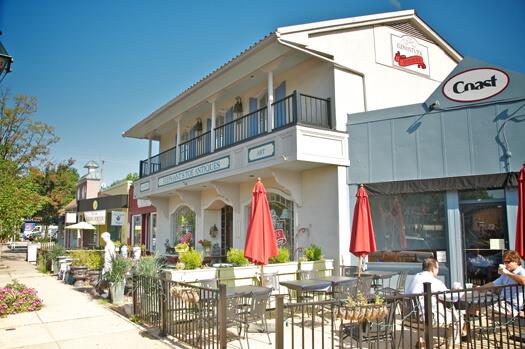
Photos of Low Slope Roofing
Steep Slope
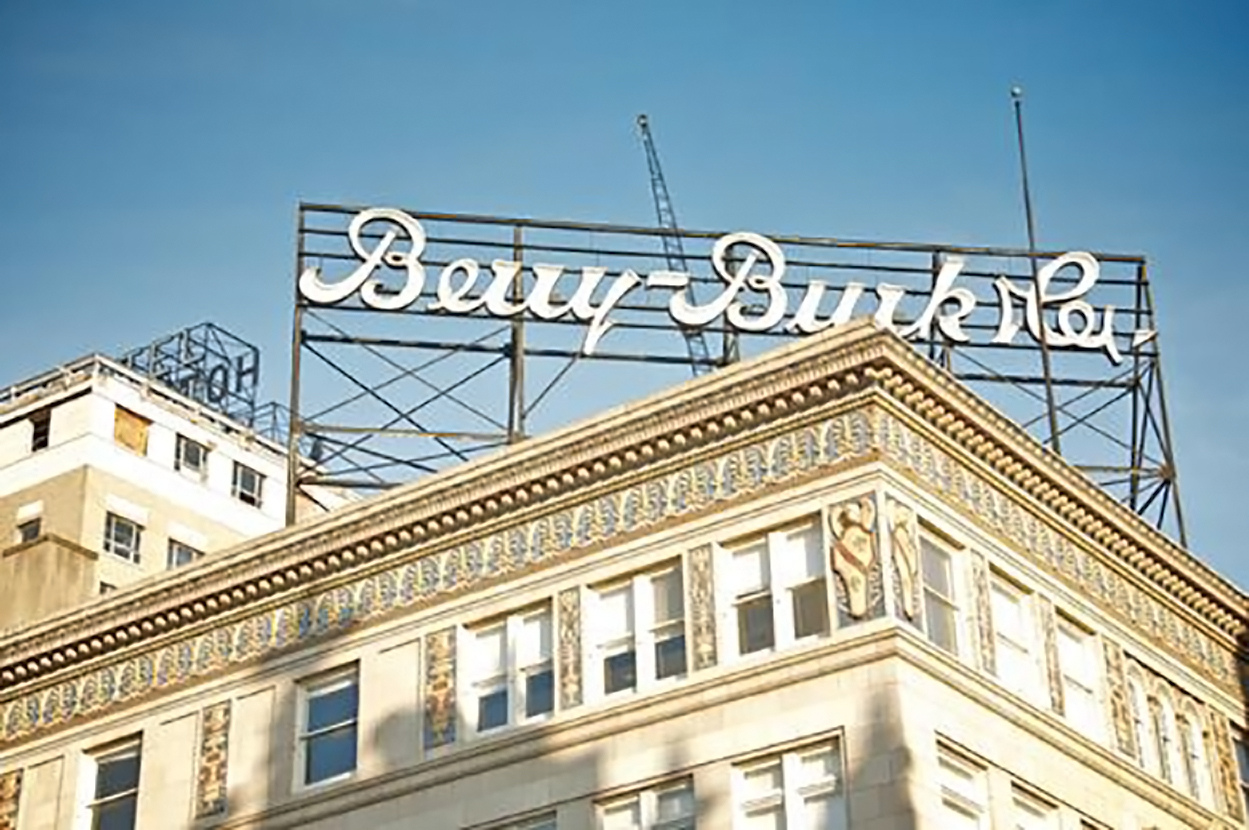
Often referred to as “residential roofing” due to the fact that most homes in the U.S. are constructed with some sort of pitch to the roof, Steep Slope Roofing includes all materials that are installed on structures over substrates with a slope of 3/12 or greater. For residential construction, the roof can consist of 40% of the exterior appearance of a home, making it critical that the materials used are visually appealing. The extensive variety of materials, which includes slate, tile, metal and shingles, allows you to choose a Steep Slope System that meets both your performance and aesthetic needs.
Material Type:
Slate: Slate is a natural material formed into shingles and tiles. Colors of slate vary by region. The Northeast has deposits of green, purple, grey and red slate, while Virginia is noted for the best slate on earth – Buckingham. Slate is noted for its durability, fire resistance and long in-service life and beauty.
Tile: Tile roofing is traditionally made by baking molded clay. Tile, like slate was prevalent in construction from the 1700‘s to early 1900’s. The material was locally sourced and readily available. Benefits from tile include fire resistance, durability, long in-service life and beauty.
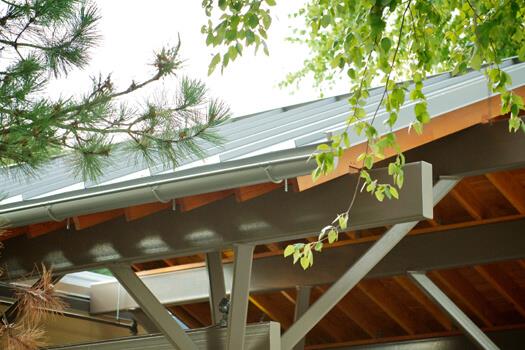
Metal: Metal Roofing is an alternative to the more traditional Slate and Tile systems. Metal roofs can be installed over solid surfaces or open framing. Benefits include durability, long in-service life and aesthetics. Metal roofs have numerous types of base material: Copper, Zinc, Terne, Steel and Aluminum.
- Copper: A natural metal that will not corrode or rust. Installed initially with a bright finish that patina’s to a beautiful green.
- Zinc: A natural material that retains its original look. It has a few color variations – Grey, Dark Grey and Dark Blue/Grey.
- Terne: Frequently refered to as “Tin”. Tin is no longer commercially produced for roofing; however, this is the modern day replacement. Terne is a manmade material of carbon and stainless steel.
- Steel: It is the most common base metal for most standing seam metal roofs. Steel panels today are traditionally installed with a kynar finish paint (equivalent to a high quality auto paint). Steel roofing is very durable and affordable compared to copper, zinc, terne or aluminum.
- Aluminum: Aluminum is used as a base metal when weight or corrosion are a concern. Like steel, it comes with a kynar paint finish.
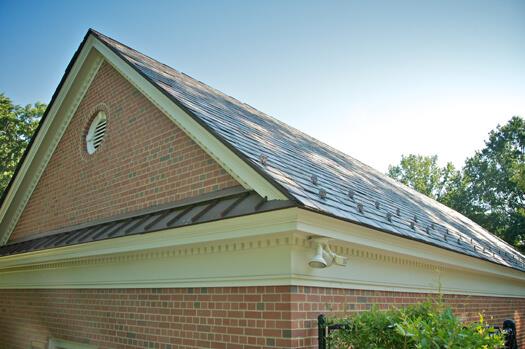
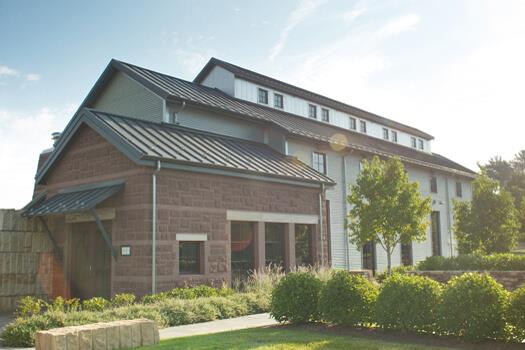
Photos of Steep Slope Roofing
Achieve More
For over 90 years, Hertless Brothers has built a reputation in the roofing industry for providing its clients a higher quality of roofing service and solutions. Today, that history is honored with a continued focus on quality and excellence combined with even greater service capabilities and industry expertise. Whether commercial, residential, historical or eco, every roofing project at Hertless Brothers begins with our team doing a comprehensive evaluation of both project needs and client goals. This effort allows us to deliver roofing solutions that achieve more. Creating results that exceed expectations, both today and tomorrow.